
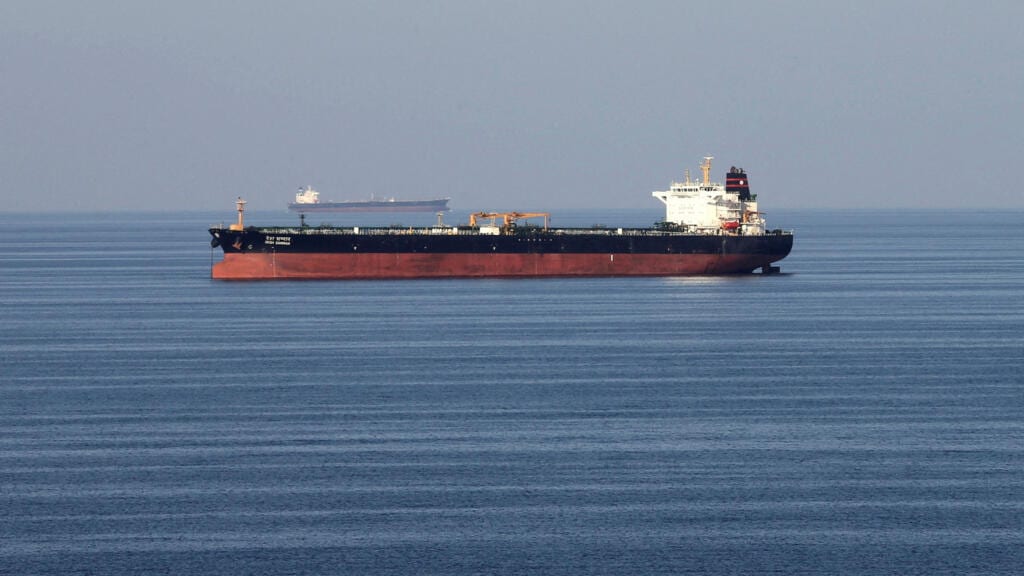
Brent crude oil futures rose above $100 a barrel on Wednesday, September 9, for the first time since July 24, as intensifying fighting in West Asia heightened concerns over oil supplies from the region.
Brent futures were up $2.15, or 2.2%, at $100.07 a barrel by 0721 GMT. US West Texas Intermediate crude also gained $1.70, or 1.83%, to $94.73 a barrel, Reuters reported.
Brent prices have risen about 25% since early August as hopes of a permanent resolution to the six-month-old US-Iran conflict have faded.
The latest gains came after attacks by Iran-backed Houthi forces on Saudi energy facilities this week set oil installations ablaze, raising fears that the conflict could widen further.
The attacks could also threaten crude shipments through the Red Sea, which has emerged as a key alternative route to the Strait of Hormuz. Oil flows through the strategic waterway have been severely curtailed since the Iran war began on February 28.
The Strait of Hormuz is a critical global oil transit route, and disruptions there have raised concerns about a potential shock to international energy markets.
Several major banks, including Goldman Sachs, Bank of America and HSBC, have raised their crude oil price forecasts in recent days amid mounting supply concerns.
According to Rystad Energy Chief Economist Claudio Galimberti, around 8 million to 9 million barrels per day flowed through the Strait of Hormuz in the week before fighting resumed on August 30, roughly double the previous week’s volume. More recently, however, flows have fallen below 2 million barrels per day.
While non-OPEC producers, including the United States, Canada and Guyana, have increased output, the International Energy Agency said last month that it expected global oil supply to decline by 4.3 million barrels per day this year, or around 4%.
The rise in crude prices comes as markets assess the potential impact of prolonged fighting on oil production, exports and shipping routes across the region.




Comments (0)