
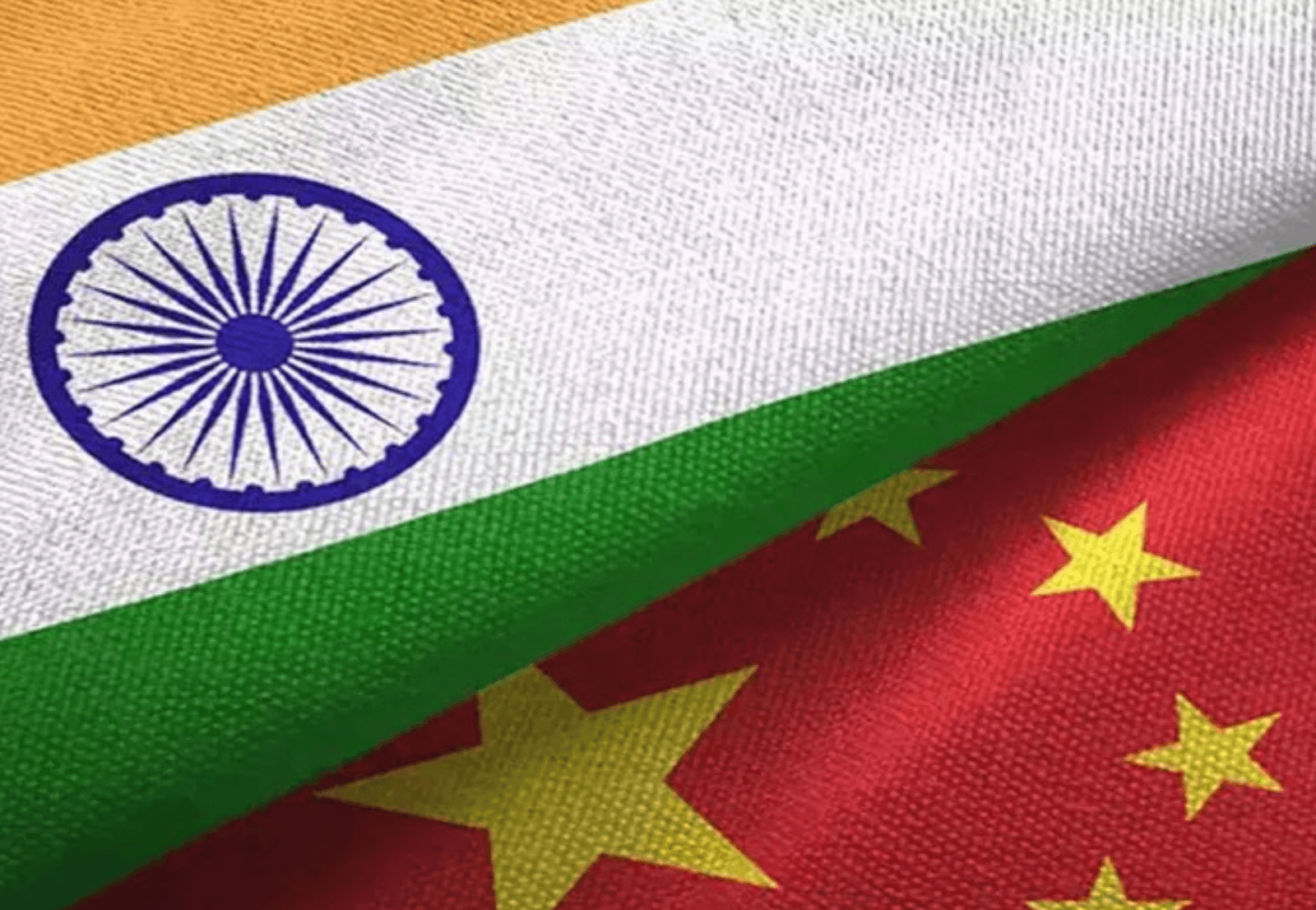
New Delhi: More than six years after India and China suspended border trade through the Nathu La Pass in Sikkim, the two countries have resumed commercial exchanges, marking a significant step towards improving bilateral relations and restoring cross-border engagement.
Nathu La, situated at an altitude of about 4,310 metres in the eastern Himalayas, links Sikkim with Tibet's Chumbi Valley. A key segment of the historic Silk Route, the mountain pass has served for centuries as an important corridor for trade and travel between the Indian subcontinent and Tibet.
As per a statement from the Government of India, the officials from both the countries met on the “No Man’s Land” on Saturday morning. “The Chinese side was represented by the Administrative head from the Tibet Autonomous Region, including representatives of its commerce and border trade departments,” the statement reads.
The Border trade between Beijing and New Delhi was suspended following the outbreak of COVID-19 pandemic. The trade between the two countries was formally revived in 2006 after remaining closed since the 1962 India-China conflict and continued uninterrupted till 2020.
The statement further reads that the border trade will operate Monday to Thursday, with the gate opening at 7:30 am IST. “Each registered trader will be allowed to conduct trade worth up to Rs 2 lakh per day,” the statement noted.
The statement further quoted Indian officials that the existing list of approved import and export items and the standard operating procedures remain unchanged.
According to reports, a formal programme is being held at Nathu La to mark the reopening of the trade route, with officials from both India and China expected to attend.
China, widely regarded as Pakistan's closest strategic ally, has witnessed strained ties with India since the 2020 Galwan Valley clashes. However, the reopening of border trade is being seen as part of broader efforts by New Delhi and Beijing to stabilise bilateral relations and gradually restore channels of engagement.
Tensions between the two nuclear-armed neighbours have remained strained since the Galwan Valley clashes along the Line of Actual Control (LAC), which separates Ladakh from China's Xinjiang and Tibet regions. The clashes left at least 20 Indian soldiers dead and over 60 injured.
Both the countries have now taken steps in recent months to renew the connections.
Last year, China's President Xi Jinping and Indian PM Narendra Modi met on the sidelines of the Shanghai Co-operation Organisation (SCO) in the port city of Tianjin.
The Chinese President is also expected to visit India for the BRICS Summit in September.


Comments (0)