
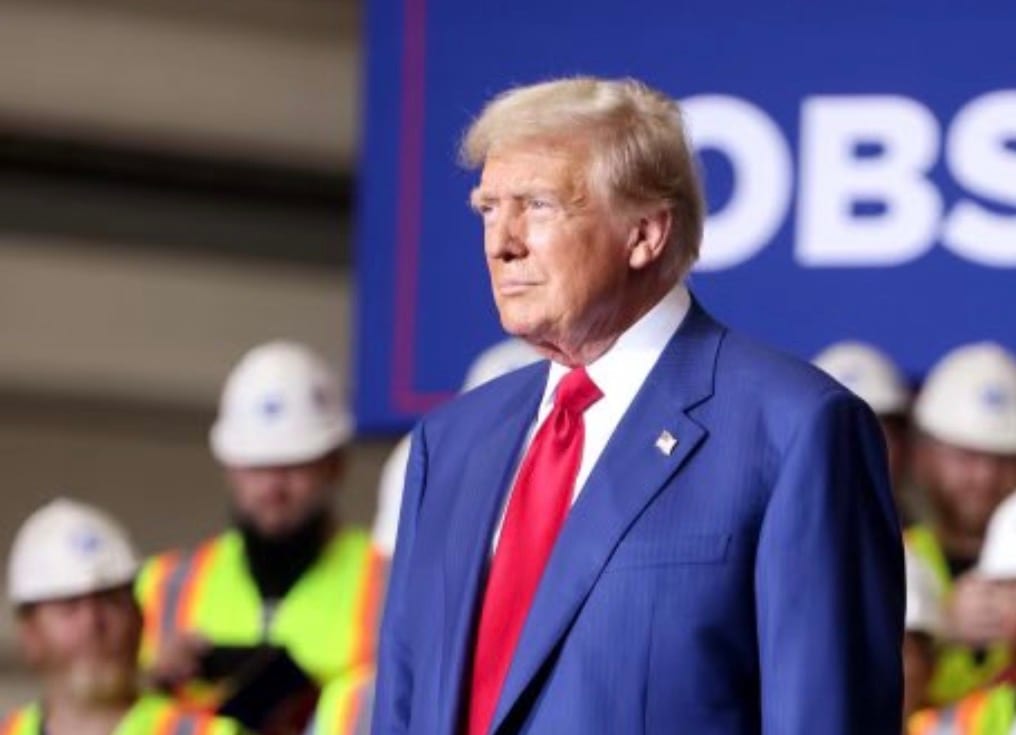
New Delhi: US President Donald Trump’s warning that countries providing Iran with an “economic lifeline” could face punitive action is likely to have implications well beyond the Middle East. For India, which has maintained important economic and strategic links with Tehran, tougher US sanctions could complicate energy supplies, trade and regional connectivity.
Trump has warned of an unprecedented economic campaign against Iran, saying countries whose banks, businesses, airports or government agencies support Tehran could face “tremendous economic consequences.” He called for US allies to join Washington in isolating Iran and described the planned campaign as an “ECONOMIC D-DAY”.
However, Trump has not detailed the exact measures Washington intends to introduce or identified the countries that could be targeted. The uncertainty has raised concerns about how broadly the new restrictions could be enforced.
The US is expected to intensify pressure on Iranian oil exports, financial transactions, exchange houses, shipping networks and companies accused of helping Tehran evade existing sanctions. Such measures could have a direct bearing on India’s economic engagement with Iran.
According to data from the Indian Embassy in Tehran, India’s exports to Iran reached $1.25 billion in 2025-26, while imports stood at $370 million. This gave India a trade surplus of around $880 million with Iran.
Despite this surplus, bilateral trade has declined dramatically over the years. India-Iran trade was worth $17.03 billion in 2018-19, when India imported goods worth $13.53 billion from Iran and exported $3.51 billion worth of products.
One of the most strategically important areas of India-Iran cooperation is Chabahar Port. In 2024, India and Iran signed a 10-year agreement for the development and operation of the strategically located port. New Delhi has invested at least $120 million in equipping the Shahid Beheshti terminal.
India is now reportedly working on arrangements to hand over operations at the terminal to the Iranian government after the US sanctions waiver for the project expired in April. New Delhi is also seeking safeguards that could allow it to resume control of the terminal if sanctions-related restrictions are eased.
The latest US pressure comes at a time when India has already faced scrutiny from Washington over its energy ties with Russia. The Trump administration previously pushed India, a major buyer of Russian oil, to reduce purchases that Washington argued were contributing to Moscow’s war effort.
In August 2025, Trump imposed 50% tariffs on Indian goods, including an additional 25% tariff linked to India’s imports of Russian oil.
For New Delhi, therefore, the renewed US pressure on Iran presents a familiar but more complicated challenge: balancing its strategic and economic interests in West Asia with its broader relationship with Washington.

Comments (0)