
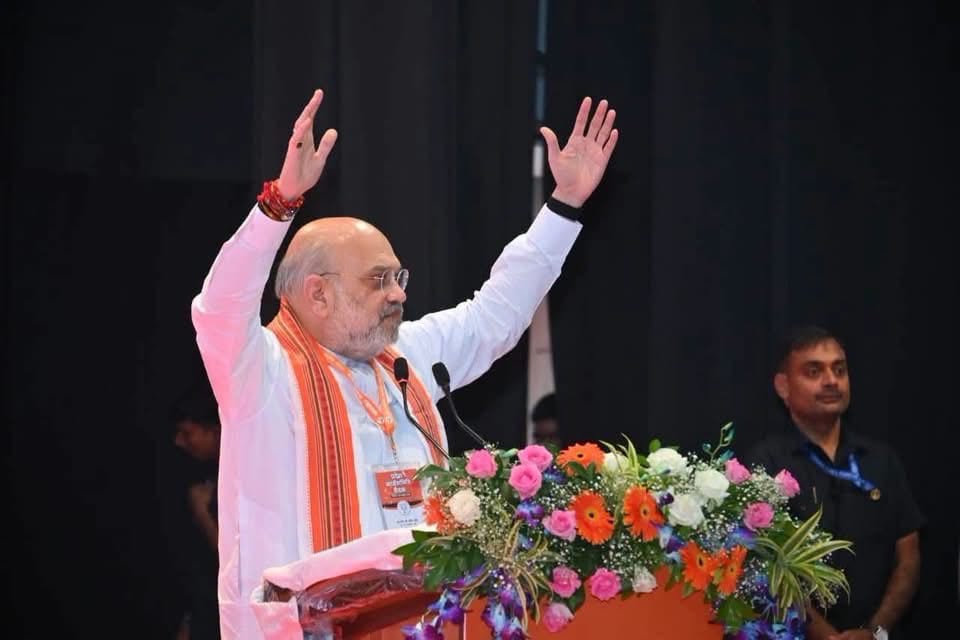
Union Home Minister Amit Shah on Saturday assured residents of Arunachal Pradesh’s Siang Valley that their concerns over the proposed 11,200-MW Siang Upper Multipurpose Project would be addressed through dialogue, describing the project as crucial to the state’s development and India’s energy security.
Speaking at a ceremony to confer the President’s Police Colour on the Arunachal Pradesh Police in Itanagar, Shah said the project was important for the country’s energy security, Arunachal Pradesh’s economy and its strategic interests.
“I want to say something to my brothers and sisters of Siang. Through media reports I have come to know of all your concerns and apprehensions. Yesterday, the chief minister also apprised me of the situation,” Shah said.
Assuring residents that they would be taken into confidence, he said the government would hold “positive and constructive discussions” with all stakeholders and find a way forward through dialogue.
Shah also said that the culture, heritage, traditions and religious beliefs of indigenous communities would not be compromised while taking the project forward. He appealed to residents and organisations opposing the project to engage with the state government.
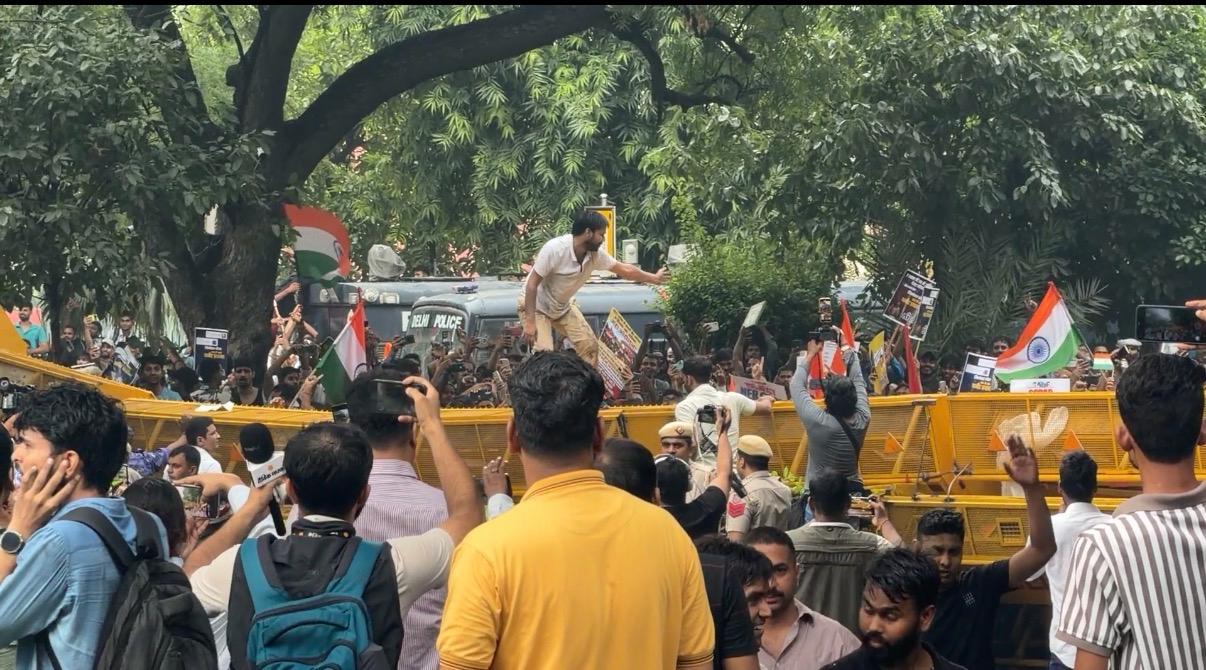
His remarks came amid sustained protests by residents and indigenous organisations against the proposed mega dam on the Siang River. The project has faced opposition over fears of displacement, loss of ancestral land, environmental damage and threats to the livelihoods of local communities.
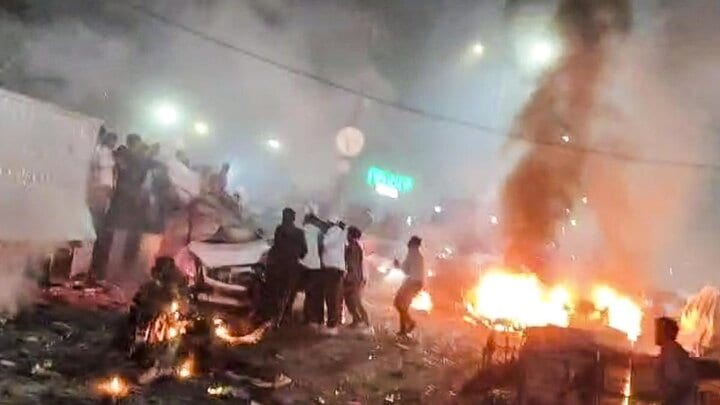
The agitation escalated into violence in October, when protesters allegedly vandalised the residences of political leaders and set fire to an office of the National Hydroelectric Power Corporation (NHPC) and a police station in East Siang district. Several people were arrested or detained following the clashes.
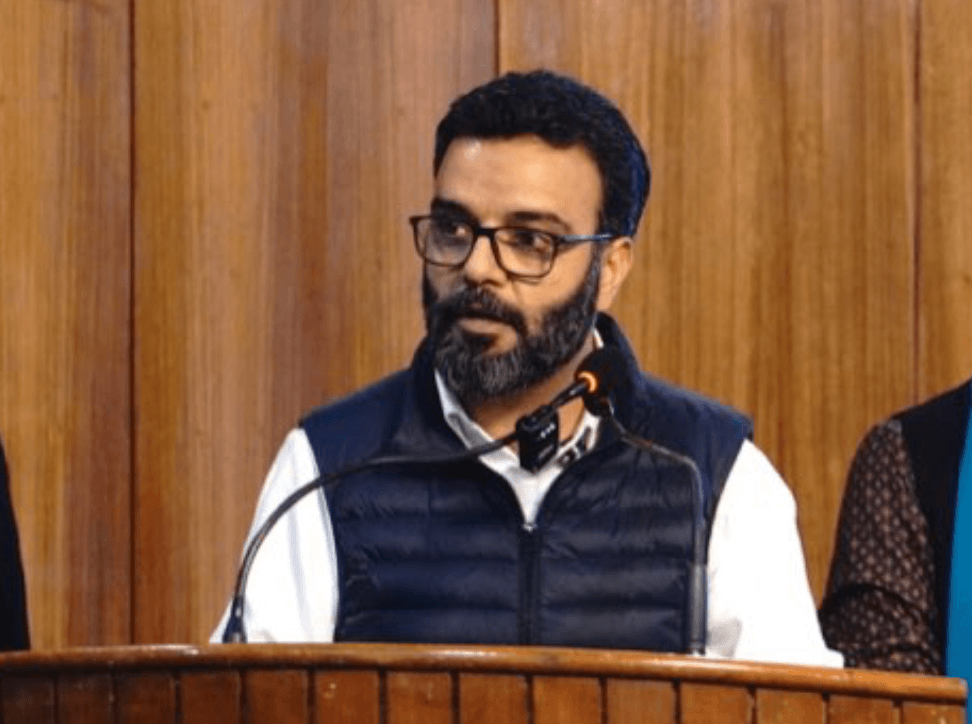
Ahead of Shah’s visit, the Adi Ba:né Kébang United (ABKU) and the Siang Indigenous Farmers’ Forum (SIFF) submitted a memorandum to him seeking the scrapping of the project. They also demanded a halt to pre-feasibility survey activities, the release of detained protesters, withdrawal of central security forces and a judicial inquiry into the October 23 violence.
The organisations alleged that the project had been revived without adequate consultation with affected communities and said residents had not been given sufficient clarity on rehabilitation, alternative agricultural land and restoration of livelihoods.
The proposed project is also seen as strategically significant by the Centre in view of China's plans to build a massive hydropower project on the Yarlung Tsangpo river in Tibet, which enters India as the Siang.

Comments (0)