
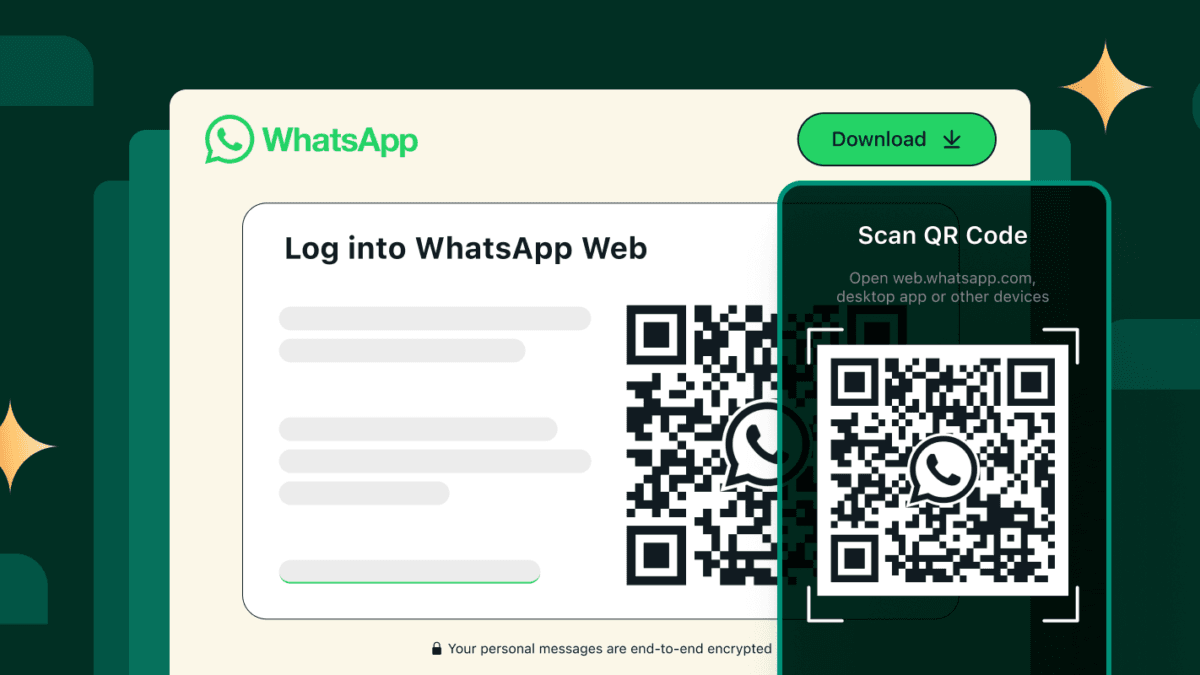
The Union Ministry of Home Affairs (MHA) has cautioned users against exchanging official and sensitive information through WhatsApp Web, warning that authenticated sessions could be exploited to gain unauthorised access to accounts.
In an advisory issued on November 18, the National Cybercrime Threat Analytics Unit (NCTAU) of the Indian Cyber Crime Coordination Centre (I4C) warned that malicious actors could misuse active WhatsApp Web sessions to read private messages, impersonate account holders and access their contacts and group conversations.
The agency said such unauthorised access could also be exploited to carry out financial fraud, phishing attacks and other forms of cybercrime.
The advisory specifically recommended that government, organisational, financial, confidential and other sensitive information should preferably not be exchanged through WhatsApp Web on computers. It also urged organisations handling sensitive information to avoid using the platform on office systems.
The I4C advised users to exercise caution while accessing WhatsApp Web on office computers, shared systems and public devices. It also warned against logging into the service through cyber cafes, public kiosks, hotel business centres and borrowed computers.
Emphasising the importance of logging out after every session, the agency said simply closing a browser window or tab does not terminate an authenticated WhatsApp Web session. Users should manually log out after each session.
Where using WhatsApp Web is unavoidable, the agency recommended accessing it through Incognito or Private Browsing mode on a trusted computer and manually logging out before closing the browser.
The advisory also asked users to remain alert to unusual account activity, including unexpected messages sent from their accounts or unexplained replies from contacts.
It further advised keeping operating systems, browsers and security software updated and avoiding suspicious downloads, unknown files and cracked software.
The warning comes amid growing concerns over cyber threats and the misuse of digital platforms to access sensitive information.



Comments (0)