
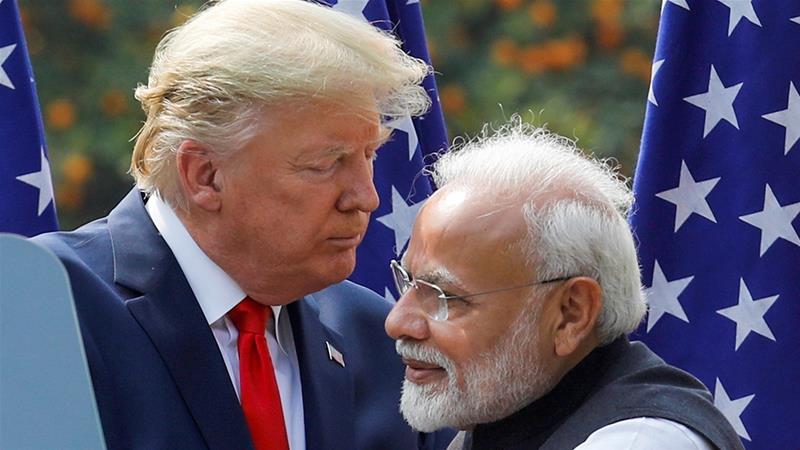
The US House of Representatives has advanced legislation that would give President Donald Trump authority to impose tariffs of up to 100 per cent on India and other major buyers of Russian oil and gas, while extending sanctions on Iran.
The Lindsey O. Graham Sanctioning Russia and Iran Act of 2026 cleared a procedural hurdle in the House by 214-211 on Tuesday evening, with two Democrats joining Republicans in backing the measure. The bill is expected to face a final House vote on Thursday.
The legislation, named after the late Republican Senator Lindsey Graham, seeks to impose additional sanctions on Russia's leadership, energy sector and financial institutions and target the so-called “shadow fleet” of vessels used to transport Russian oil while evading Western sanctions. It would also extend existing US sanctions on Iran.
A key provision would authorise the US president to impose tariffs of up to 100 per cent on imports from countries that are major buyers of Russian oil and gas or are involved in helping Russia evade sanctions. The Senate version, passed in August, referred to major importers rather than naming individual countries. India and China are among the countries that could be affected.
The legislation was passed by the Senate on August 7 by an overwhelming 86-11 vote. It was subsequently sent to the House for consideration.
The House action comes amid opposition from some Democrats, who have raised concerns about the extent of the tariff powers that would be granted to Trump.
Gregory Meeks, the ranking Democrat on the House Foreign Affairs Committee, opposed the bill during a Rules Committee hearing on Monday, arguing that it would give the president broad new tariff authority without sufficient safeguards.
The measure is also being considered as pro-Ukraine groups intensify lobbying efforts in Washington. The Ukraine Action Summit, organised by the American Coalition for Ukraine, is bringing activists and advocates to Capitol Hill to press lawmakers to maintain support for Kyiv.
The proposed tariffs are part of a broader US effort to reduce revenue from Russian energy exports, which Washington says helps finance Moscow's war in Ukraine. The legislation also contains provisions aimed at tightening sanctions against entities involved in circumventing existing restrictions.
If approved by the House, the bill would be sent to the White House for Trump's signature. The House is scheduled to begin an early recess after Thursday, with lawmakers expected to return in November following the midterm elections.


Comments (0)