
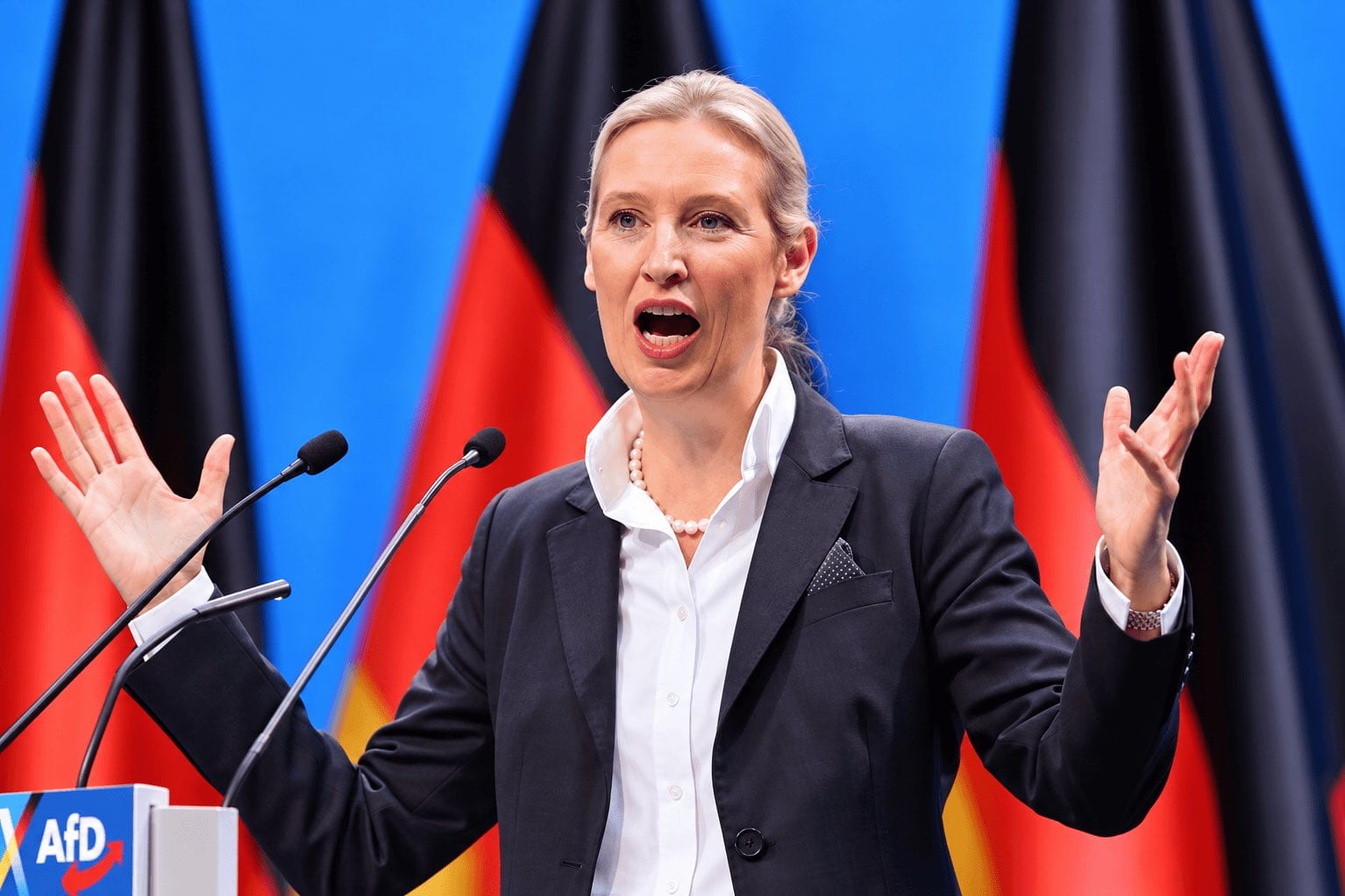
Mainstream politicians across Europe have expressed concern over the far-right Alternative für Deutschland’s (AfD) victory in the Saxony-Anhalt state election, while nationalist and far-right leaders welcomed the result as a sign of growing support for their politics.
According to The Guardian, the AfD won 43.8% of the vote in Sunday’s election, more than double its share in the previous state election five years ago. It secured 39 seats in the 83-member state parliament, falling three seats short of an absolute majority.
The Christian Democratic Union (CDU), led nationally by Chancellor Friedrich Merz, finished a distant second with 17.2%, losing about half of its previous support. The Social Democrats won 9.3%, the Greens 8.9% and the Left 8.6%, with each winning eight seats.
The result puts the AfD within reach of entering government at the state level for the first time since the Second World War, although the party does not have enough seats to govern alone.
France’s Finance Minister Roland Lescure described the result as “a very, very worrying signal”, saying Europe faced a challenge from a populist wave that was spreading internationally.
France’s European affairs minister Benjamin Haddad called the result “a very grave moment for Europe” and said governments needed to respond to voters’ concerns while rejecting nationalism and xenophobia.
Polish Foreign Minister Radosław Sikorski also described the result as “a very worrying sign”. Prime Minister Donald Tusk said only “idiots or traitors” could celebrate the AfD’s victory.
Italy’s Foreign Minister Antonio Tajani called the result “terrible news”, saying the AfD represented a political force opposed to liberal and Western values.
The election was welcomed by several nationalist and far-right figures outside Germany.
US tech billionaire Elon Musk congratulated the AfD on X, writing “Well done!” AfD lead candidate Ulrich Siegmund thanked Musk and said he would welcome “strong and constructive cooperation” if the party took responsibility in Saxony-Anhalt.
US President Donald Trump posted a screenshot of the projected election result on Truth Social without adding a comment.
Kirill Dmitriev, a Russian presidential envoy, shared a screenshot of Trump’s post and described the result as a “historic win for the pragmatic AfD”. The party has opposed further military support for Ukraine and called for changes to Germany’s asylum policy.
Hungary’s former prime minister Viktor Orbán also celebrated the result, calling it “a huge night for Germany and Europe” and adding: “Buckle up. This is just the beginning!”
Spain’s Vox leader Santiago Abascal described the result as a “spectacular result” and a source of “great hope for Germany and Europe”. Portugal’s Chega leader André Ventura called it a “historic victory”.
Italy’s Deputy Prime Minister Matteo Salvini congratulated AfD co-leader Alice Weidel, describing the result as a sign of demand for “change, security, and jobs”.
Dutch Freedom Party leader Geert Wilders also congratulated the AfD, while UK politician Rupert Lowe called the result “an inspiration” for his Restore Britain party.
The reaction from Europe’s right was not unanimous. France’s National Rally (RN), which expelled the AfD from its European parliamentary group two years ago, has maintained its distance from the German party.
The split followed remarks by former AfD politician Maximilian Krah that were seen as minimising the crimes of the Nazi SS, as well as controversy over a meeting involving figures from the AfD and discussions about the mass deportation of immigrants.
RN leader Jordan Bardella said on Saturday that his party had no plans to revive its alliance with the AfD. He nevertheless said the electoral pressure created by the AfD was influencing German policy, including Berlin’s decision to reintroduce border controls.
The AfD's victory comes as Germany's mainstream parties continue to maintain a political firewall against cooperation with the far right. With 39 seats, the party will need support from elsewhere in the state parliament if it is to form a government.



Comments (0)